Smoke and Volcanic Ash: What Each One Does to You
Two different things are in the air over Southeast Asia. Here is what smoke does, what volcanic ash does, what hasn't been measured yet, and what actually helps.
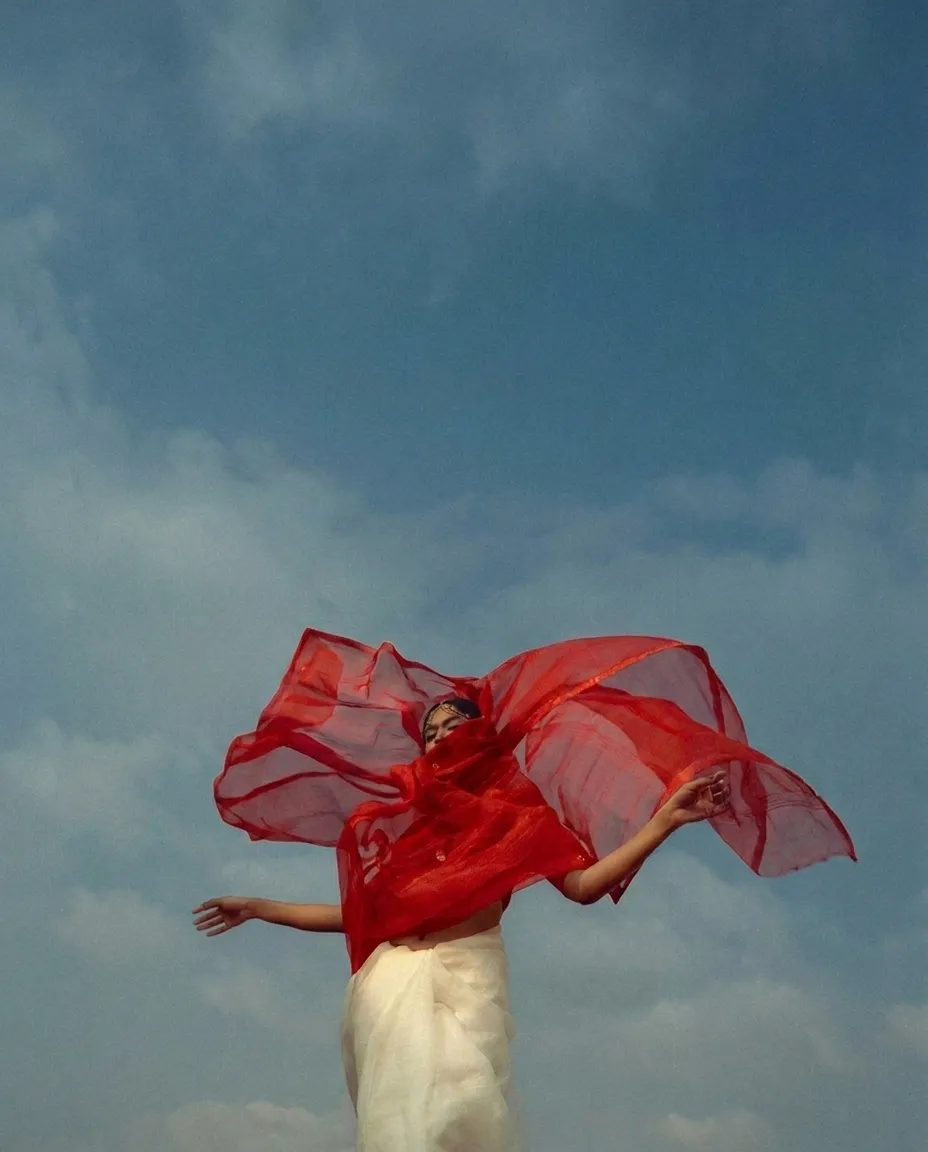
The sky over much of Southeast Asia has been grey for two separate reasons, and they are not the same problem.
Fires in Kalimantan and Sumatra have been burning for weeks, and the smoke has drifted over Malaysia, Brunei, Singapore and as far as Manila. Separately, Krakatau erupted on the night of 4 September and sent volcanic ash 15 kilometres into the sky, closing eight airports and stranding around 170,000 travellers.
Both make the air look the same from your window. They do quite different things inside your body, and they need different responses. Here is the plain version of each.
Smoke is the one we understand well
Smoke from burning forest and peat is made of the same kind of tiny particle as traffic fumes and factory smoke. Scientists call it PM2.5, which simply means particles smaller than 2.5 micrometres across. That is roughly 30 times thinner than a human hair.
Size is the whole problem. Particles that small slip past the filters in your nose, settle deep in your lungs, and pass into your bloodstream. Once there, they trigger low-level inflammation that does not switch off while the air stays dirty.
Because this kind of particle has been studied for decades, we know quite a lot about what months and years of it do.
In a study of 12,064 adults in Delhi and Chennai, the dirtier the month's air, the higher people's blood sugar ran. Fasting glucose and HbA1c, which is the three-month average of your blood sugar, both climbed alongside the particle count. Across a year of that exposure, the risk of developing type 2 diabetes was 1.22 times higher.
A larger European study followed 325,367 adults for about 19 years and found 13 percent more deaths from natural causes as the air got dirtier.
Two things are worth saying plainly about those numbers. They describe long exposure, not a single bad week. And they come from cities, which means the finding travels to haze honestly, because city air and forest smoke are the same category of particle. Our own medical team wrote the longer version of this in Association of Ambient Air Pollution Exposure with Glycated Hemoglobin Levels.
So one smoky day is noise. A smoky season is a signal.
Volcanic ash is a different material
Volcanic ash is not smoke and not soot. It is rock, shattered into fragments smaller than 2 millimetres, ranging in texture from grit to talcum powder. Some of it is fine enough to breathe, and how much varies enormously between volcanoes. In one review, the breathable fraction ran from 0.6 percent at one volcano to 16.9 percent at another, with no pattern anyone could predict.
Because ash is coarser and sharper than smoke, you notice it immediately. That is the opposite of smoke, which does its work without announcing itself.
The short-term effects are well documented. After Iceland's 2010 ashfall, researchers surveyed 167 adults living underneath it, and found that:
- Half had a sore or irritated throat
- 35 percent had a cough
- 26 percent had chest tightness or breathlessness
- 25 percent had irritated eyesAmong the 28 people who already had asthma or COPD, 39 percent got worse.
Spain's 2021 eruption on La Palma showed the same pattern in people with no history of lung trouble at all. Among 474 such adults, those in the worst-hit areas were about ten times more likely to have chest tightness and three times more likely to have eye symptoms than those barely exposed.
And after Mount St Helens erupted in 1980, emergency room visits for breathing problems ran three to five times higher than normal.
What ash does not appear to do
It is worth being just as clear about the other side, because frightening claims travel fast during an eruption.
No reviewed study has found a single human case of lasting lung disease from volcanic ashfall. The long-term risk has been estimated using computer models, and those models suggest a small risk, but no clinical cases have turned up in the research, including a review as recent as 2022.
Mount St Helens did not produce an obvious rise in daily deaths, despite the surge in emergency visits.
And among children studied after Iceland's ashfall, the raised anxiety and disturbed sleep measured during the event had returned to normal three years later.
Ashfall is genuinely rough while it lasts. The evidence does not support it being permanent.
The honest gap
Here is the part most articles will skip.
Nobody has ever measured what volcanic ash does to blood sugar. There is no study anywhere that tracked glucose, insulin or HbA1c in people living through an ashfall. Not one.
Everything you may read connecting airborne particles to diabetes risk, including the numbers earlier in this article, comes from people breathing city pollution for years. Volcanic ash is a different material over a much shorter period. The direction of the effect might well be the same. The size of it has never been tested.
So if someone tells you exactly what this ashfall is doing to your blood sugar, they are guessing. We would rather say that than invent a number for you.
What actually helps
The useful advice divides the same way the problem does.
For both:
Refill your prescriptions early. Official ashfall preparedness guidance from the International Volcanic Health Hazard Network is direct about this: hold extra stocks of medication, for your family and your pets, before an event rather than during one.
This matters more than it sounds. After the 2016 Kumamoto earthquake, blood sugar control across 557 people with diabetes actually improved slightly for the first two months, then worsened steadily across the rest of the year. What the deterioration tracked was medication running short, food supply problems, damaged housing and broken routines. The disruption outlasted the disaster by a long way.
For smoke:
- Wear a fitted N95 or N99 respirator outdoors. A pleated surgical mask filters reasonably well if it truly seals to your face. A flat rectangular mask cannot seal, and cloth filters poorly.
- Run an air purifier with a HEPA filter in one room, with the door shut. Making one clean room works better than trying to clean the whole house.
- Keep windows closed while the air is bad, and air the room out when it improves.
- Keep exercising, indoors. Stopping for three months costs you more than a treadmill session you did not enjoy.
For volcanic ash, add:
- Wear goggles as well as a mask. Ash irritates eyes quickly.
- Dampen ash before you clear it. Never dry brush it and never vacuum it, because both throw it back into the air.
- Wear long sleeves and long trousers while cleaning.
- Clear wet ash off your roof early. Most roofs cannot support more than about 10 centimetres of it.
- Keep children indoors rather than masked. Masks are not designed for children's faces, so a clean indoor space protects them better.
If you have asthma, COPD, a heart condition, or you are pregnant, follow your doctor's guidance rather than a general article. You are the group the numbers above are hardest on.
Checking before you decide
You cannot grade air by looking at it. A reading of 60 and a reading of 180 on the Air Quality Index, which is a single score for how dirty the air is, look almost identical from a window.
The A1C Insights app scores the air quality where you are, and raises a separate alert when volcanic ash is affecting your area, so you can see the air and your sleep and your resting heart rate on the same screen. It sits under Environment and it is free.
It will not tell you what the ash is doing to your blood sugar. Nobody can do that yet, and a health app that pretends otherwise is worth less than one that says so.
Keep reading
Why HealthFi Needs Revenue, Not Emissions
Move-to-earn collapsed because the reward and the asset were the same object. A1C does not pay users in A1C. It accepts A1C, funded by sensor, subscription, and 0spike revenue.

What Reg CA Would Mean for A1C and US Retail
When You Nap Matters More Than How Long
Sally explains what the research really says about napping: why timing and consistency matter more than length, and what the scary headlines leave out.